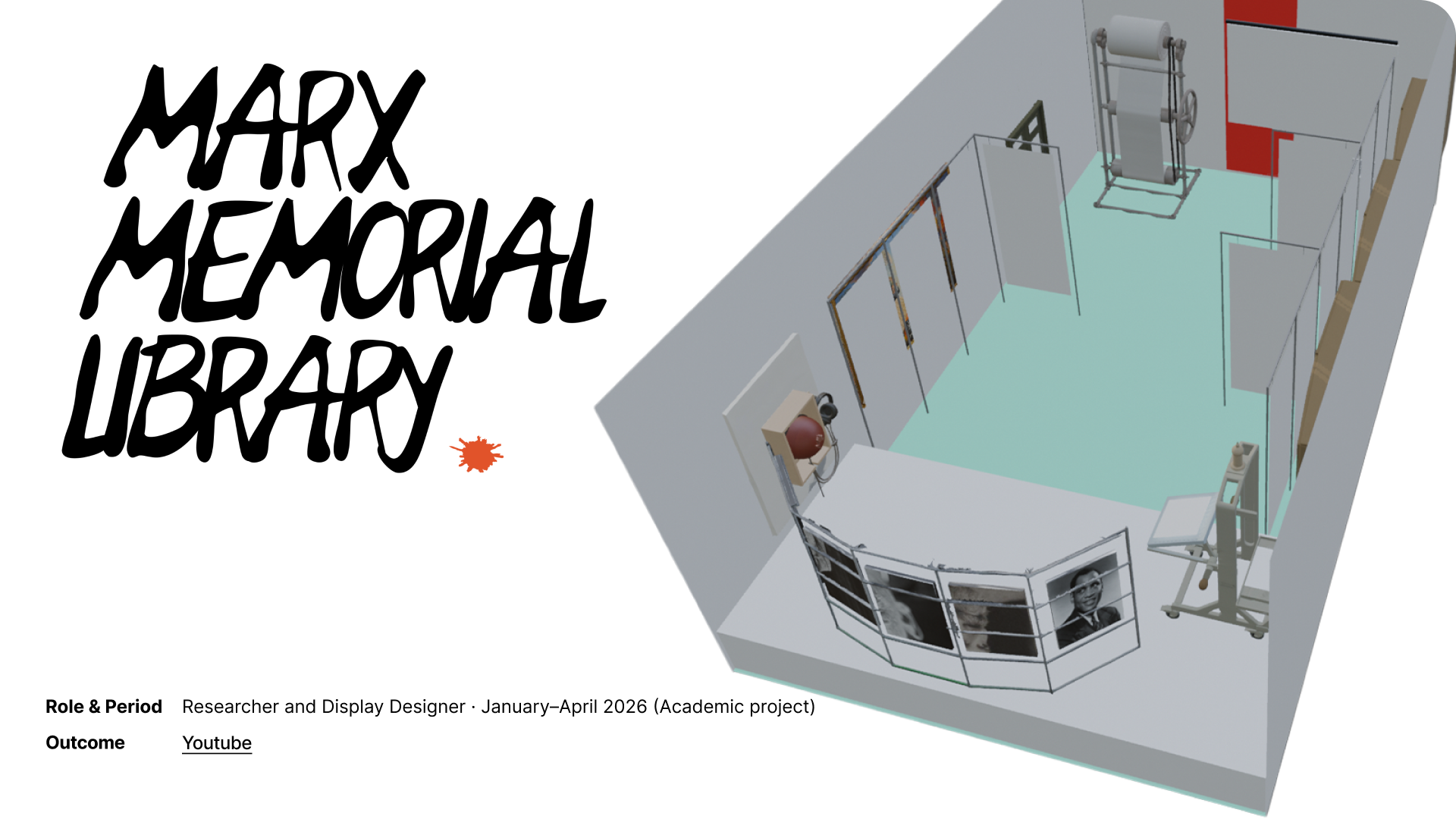
Location Context: Marx Memorial Library (MML), 37a Clerkenwell Green, London.
Located at 37a Clerkenwell Green, the MML is more than a library; it is a living monument to intellectual and physical resistance. Established in 1933 to mark the 50th anniversary of Karl Marx’s death, its foundation served as a crucial act of defiance against the rise of Fascism and the destruction of knowledge in Europe.
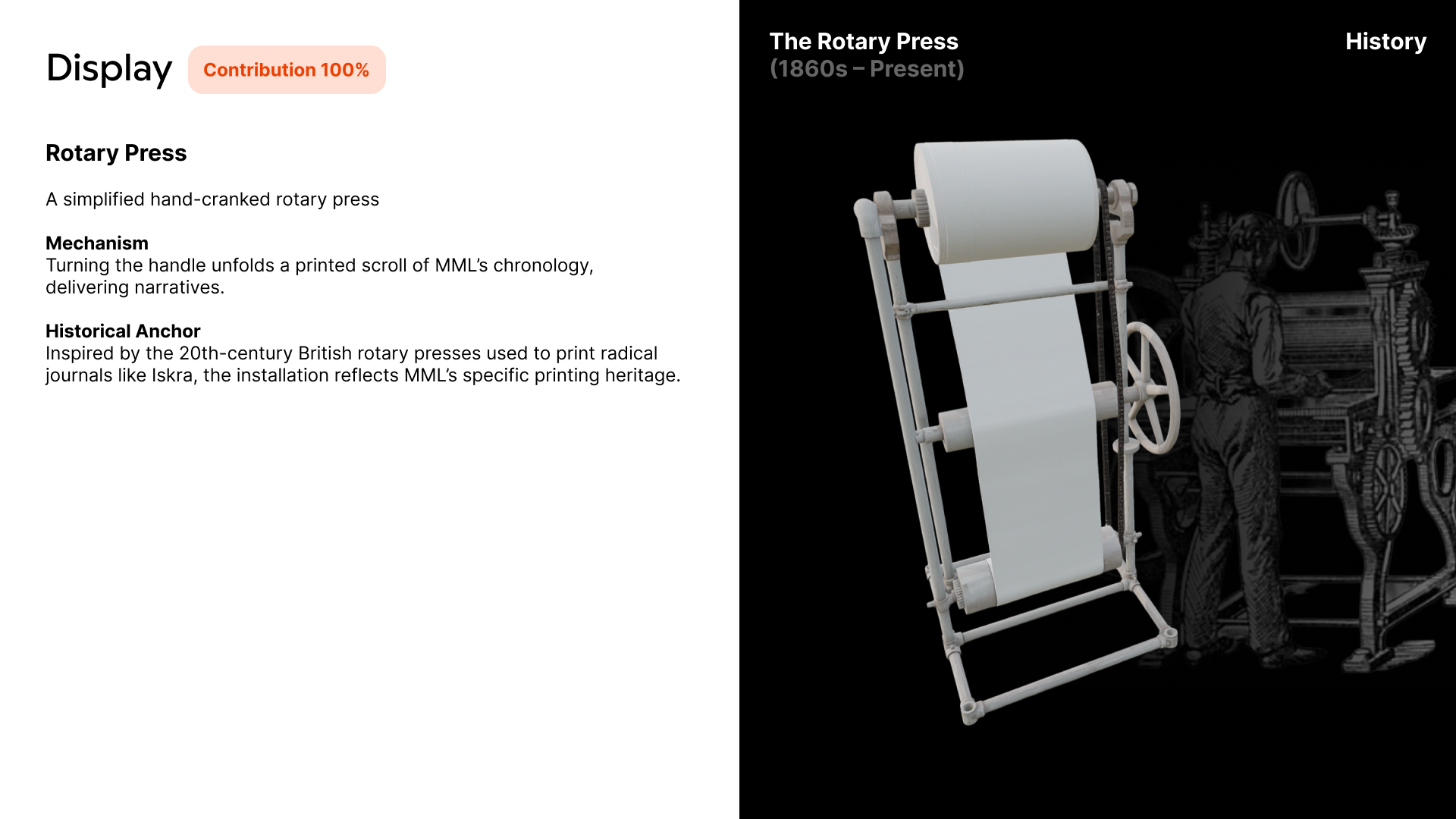
The building’s heritage spans from its origins as an 18th-century charity school to its time as the Twentieth Century Press (TCP), where the 'ink of revolution' was first spilled. Today, the MML remains a world-class archive, safeguarding the records of the International Brigades, the Spanish Civil War, and the persistent struggle for social justice.
This project explores the materiality of resistance within the historical walls of the Marx Memorial Library. Since 1893, this site has functioned as a 'Factory of Resistance', where ink was not merely a medium but a political weapon. From Lenin’s clandestine printing of Iskra to the library’s defiance against Nazi book burnings in 1933, the MML has preserved the DNA of global working-class movements.
We focus on the transition from the personal act of writing (Pen Ink) to the industrial power of dissemination (Printing Ink). The exhibition invites visitors to step into the role of a 'Digital Printer', navigating the tension between the fragility of a single letter and the explosive force of mass propaganda.
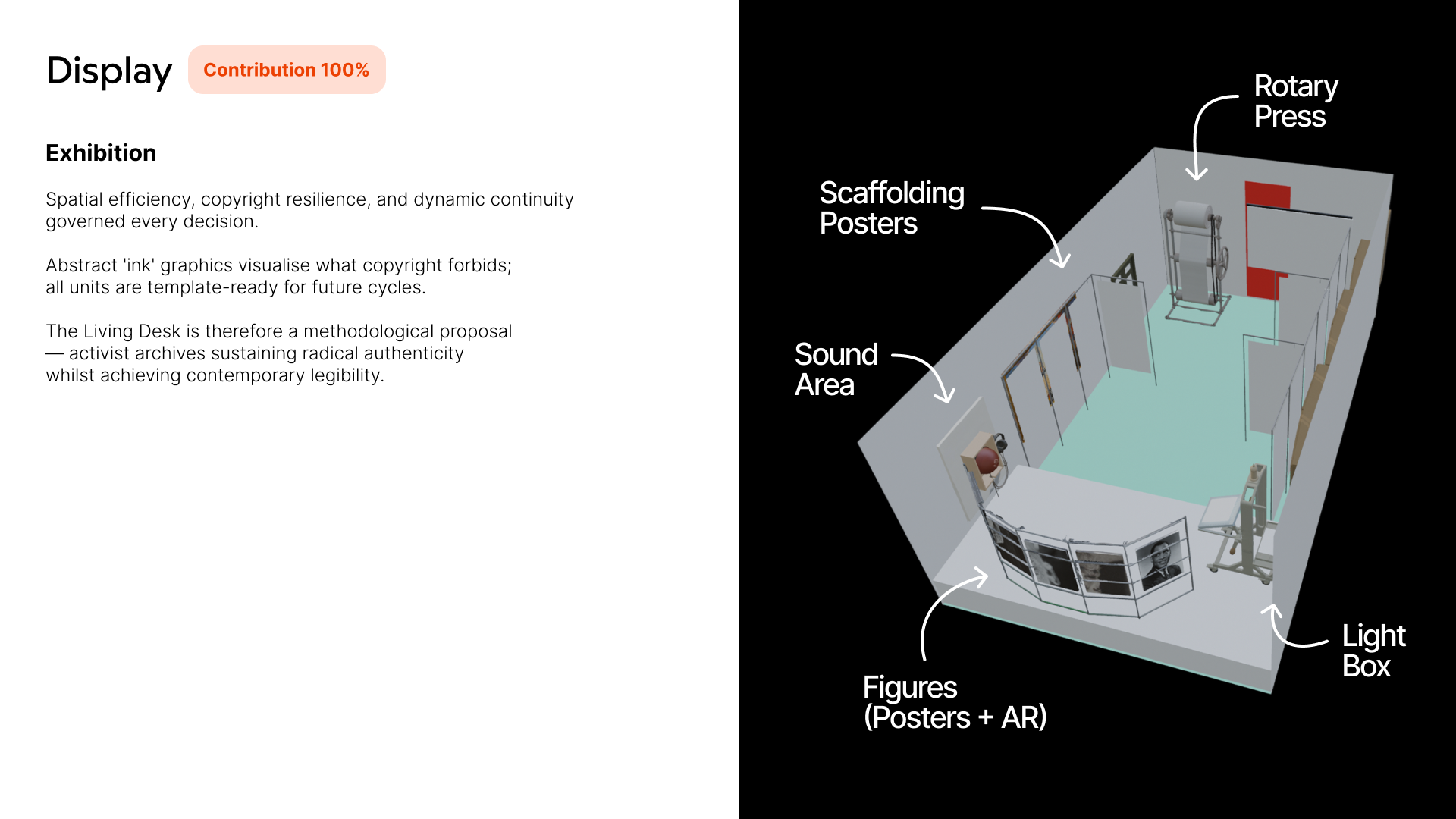
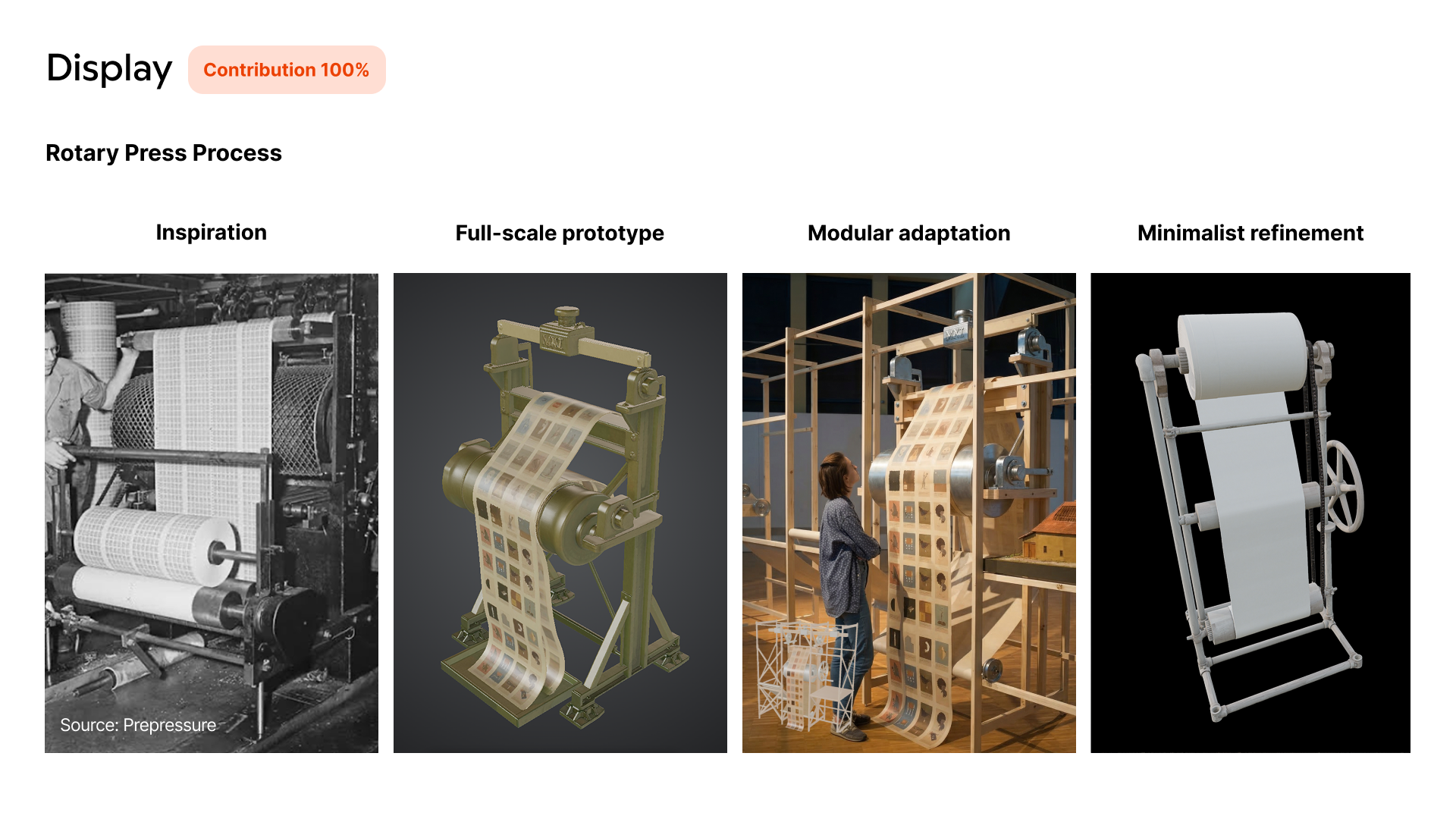
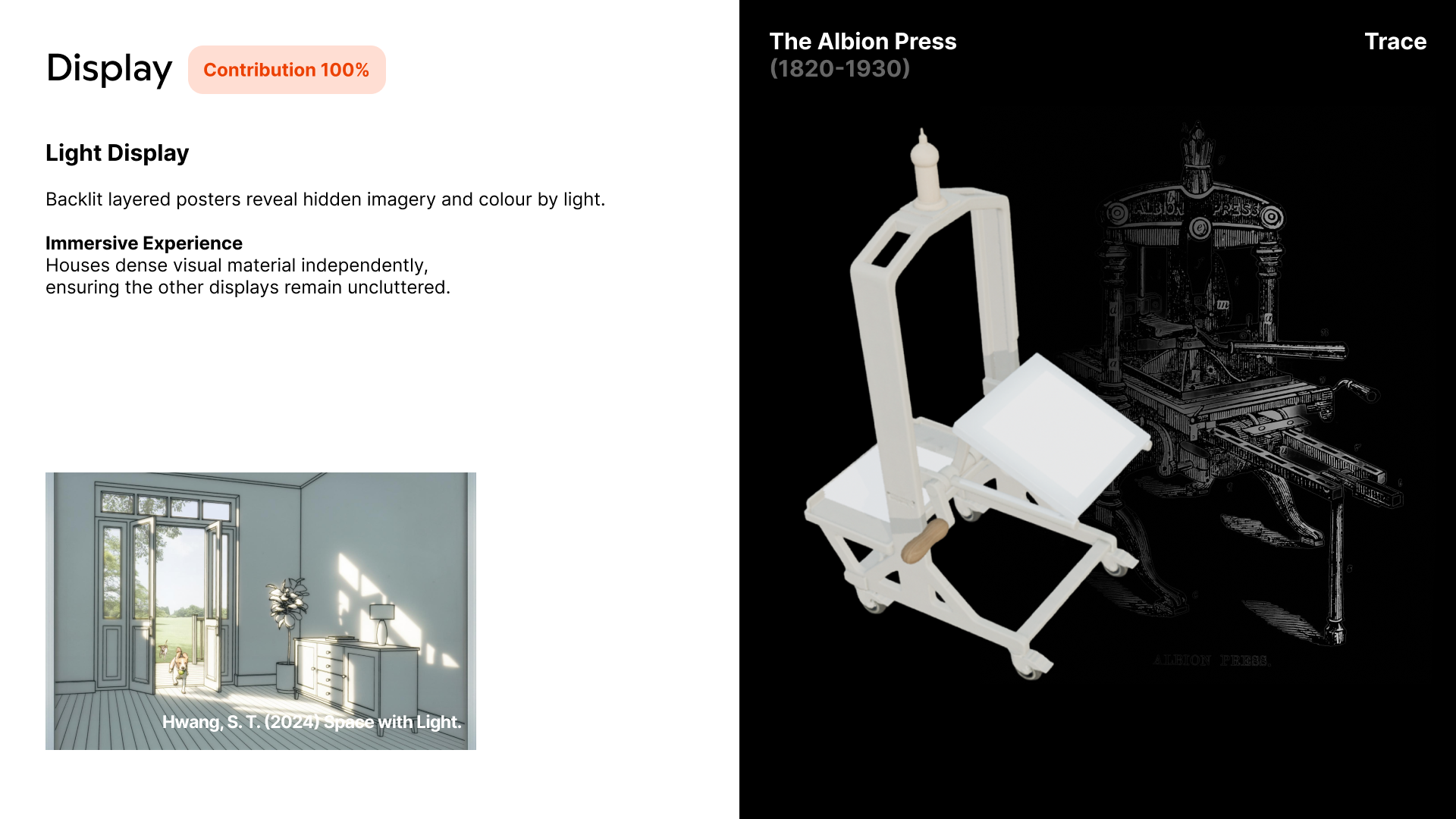
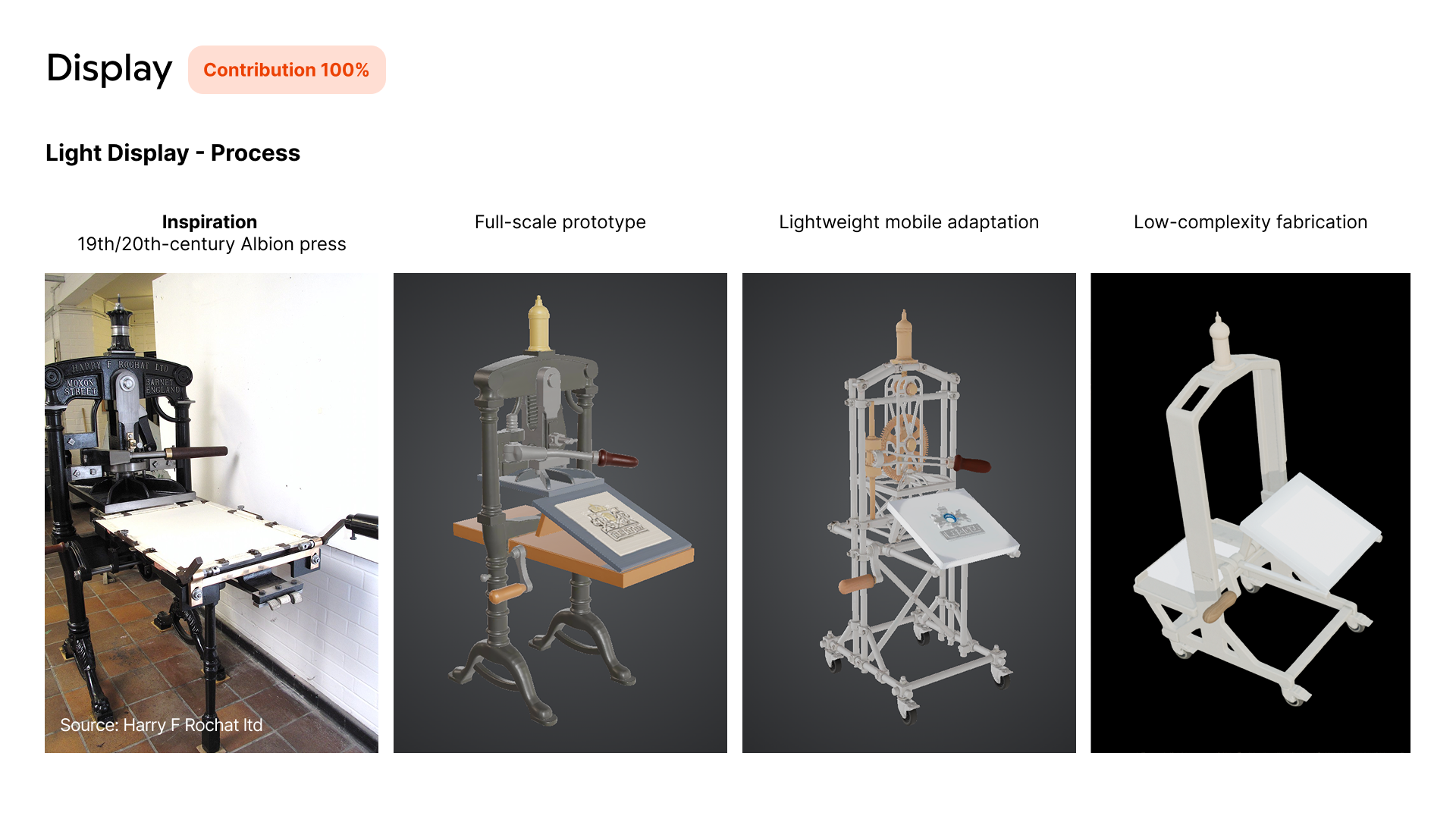
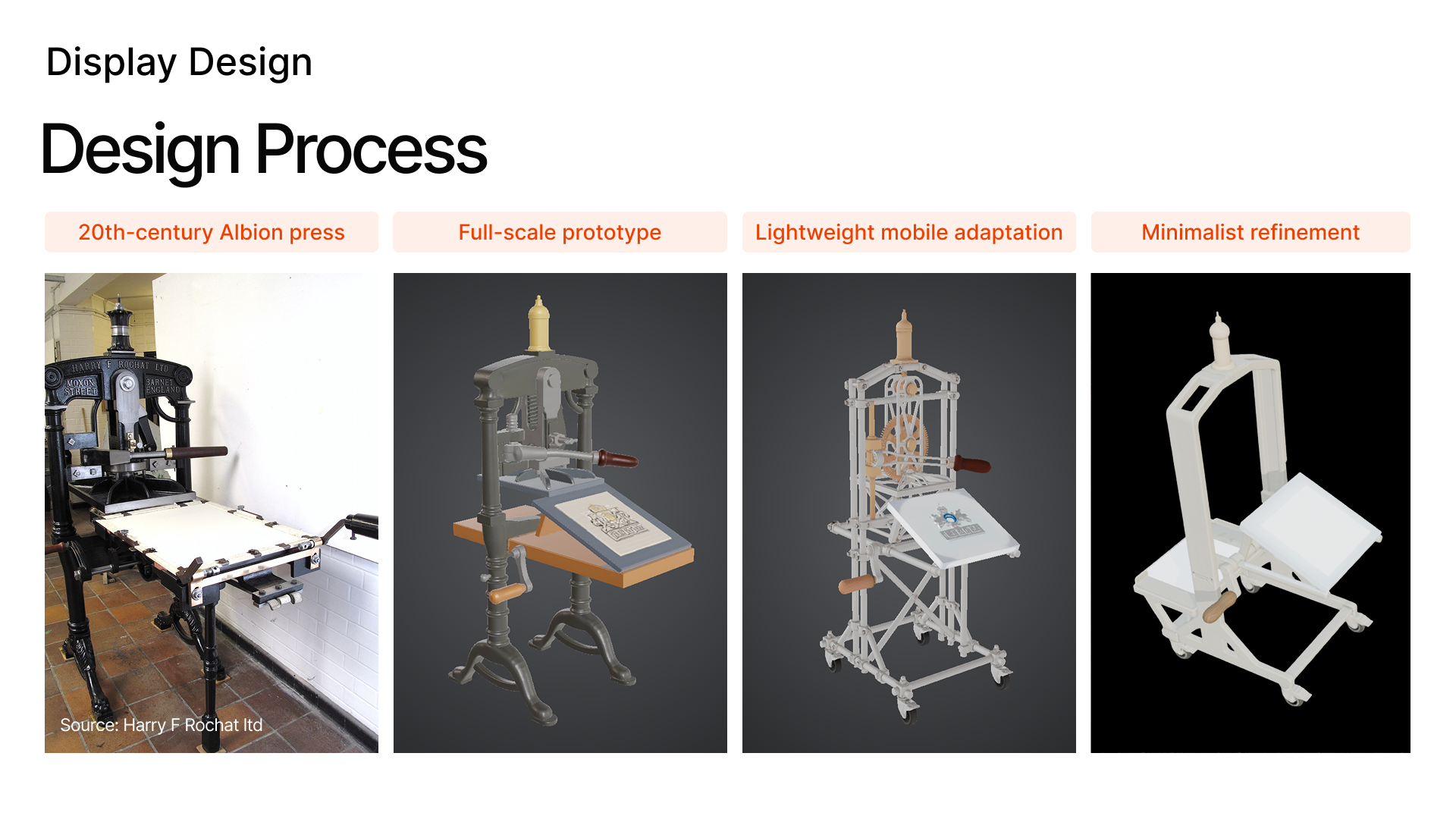
The exhibition is structured around four historical archetypes of British printing technology, each representing a unique facet of the MML’s heritage:
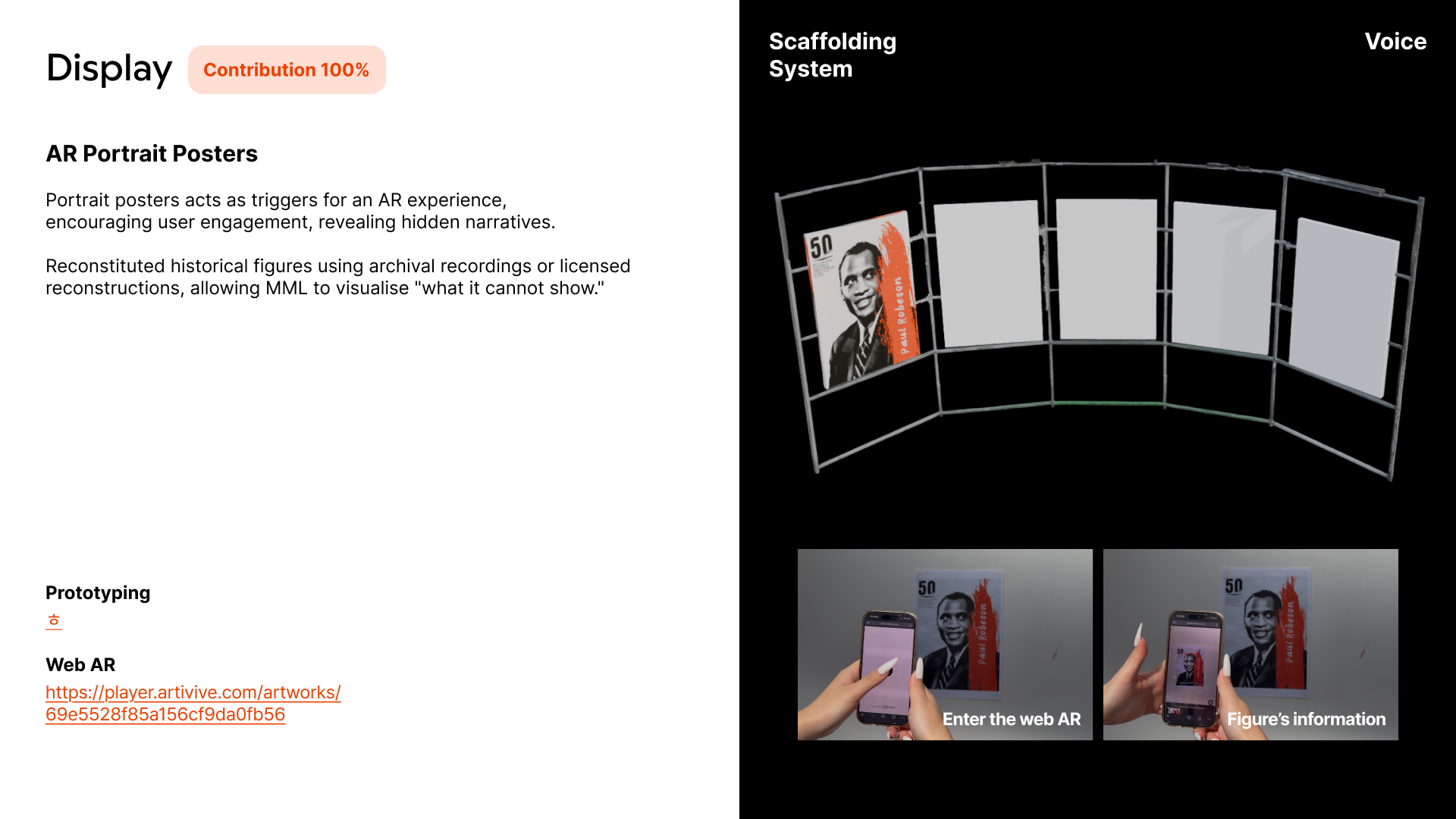
The curation highlights five pivotal figures who shaped the MML’s radical legacy: Vladimir Lenin (Revolution), Edward Carpenter (Arts & Activism), Paul Robeson (Global Solidarity), Harry Pollitt (Preservation), and Dolores Ibárruri (Anti-fascist Resistance).